Skills without access: why Europe's aftermarket needs both to succeed
If you've spent any time in the automotive aftermarket over the past few years, you'll know one topic dominates almost every conversation: skills.
How do we attract the next generation of technicians? How do we equip today's workforce to repair increasingly connected, software-driven and electrified vehicles? And how do we ensure independent workshops can continue to serve motorists as vehicle technology evolves?
These are all vital questions. But I believe we're missing an equally important part of the conversation.
What value is there in investing in new skills if technicians can't consistently access the systems they need to put those skills into practice?
This is where SERMI comes in.
For those unfamiliar with it, SERMI is the European framework that gives vetted independent workshops secure access to security-related repair and maintenance information, such as key programming and immobiliser functions. It was introduced with an important objective: protecting vehicle security while preserving a competitive independent aftermarket and ensuring consumers continue to have a choice over where their vehicles are repaired.
The ambition is spot on, but implementation has been challenging.
Although SERMI became mandatory across the EU in July 2023, the infrastructure needed to support it wasn't ready. Each Member State first needed accredited Conformity Assessment Bodies (CABs) to certify independent operators, meaning rollout has happened market by market rather than all at once. Today, many of Europe's largest automotive markets are operational, but implementation is still not universal.
(The UK has taken a different approach, with a voluntary SERMI scheme administered by the Independent Garage Association. That's an important discussion in its own right – and one we'll no doubt return to.)
Rollout delays are understandable to a point – implementing a new regulatory framework across multiple countries was never going to happen overnight. But rollout is only part of the story.
Even in markets where independent workshops have become SERMI certified, practical challenges remain. A technician may complete the certification process correctly, obtain the required security credentials and still be unable to complete the repair because the access provided doesn't work as intended. The reasons can vary – from software changes to inconsistencies in implementation – but the outcome is the same. The technician has followed the correct process, yet the repair still cannot be completed and the vehicle ends up back at the dealership.
When that happens, everyone loses. The technician has the skills, the workshop has invested in training, and the customer has chosen an independent repairer – but the repair still can't be completed.
That's why, whenever these cases are brought to our attention, we raise them directly with the relevant vehicle manufacturer and report them to the European Commission. Sharing this feedback is an important part of ensuring the framework continues to improve in practice, not just on paper.
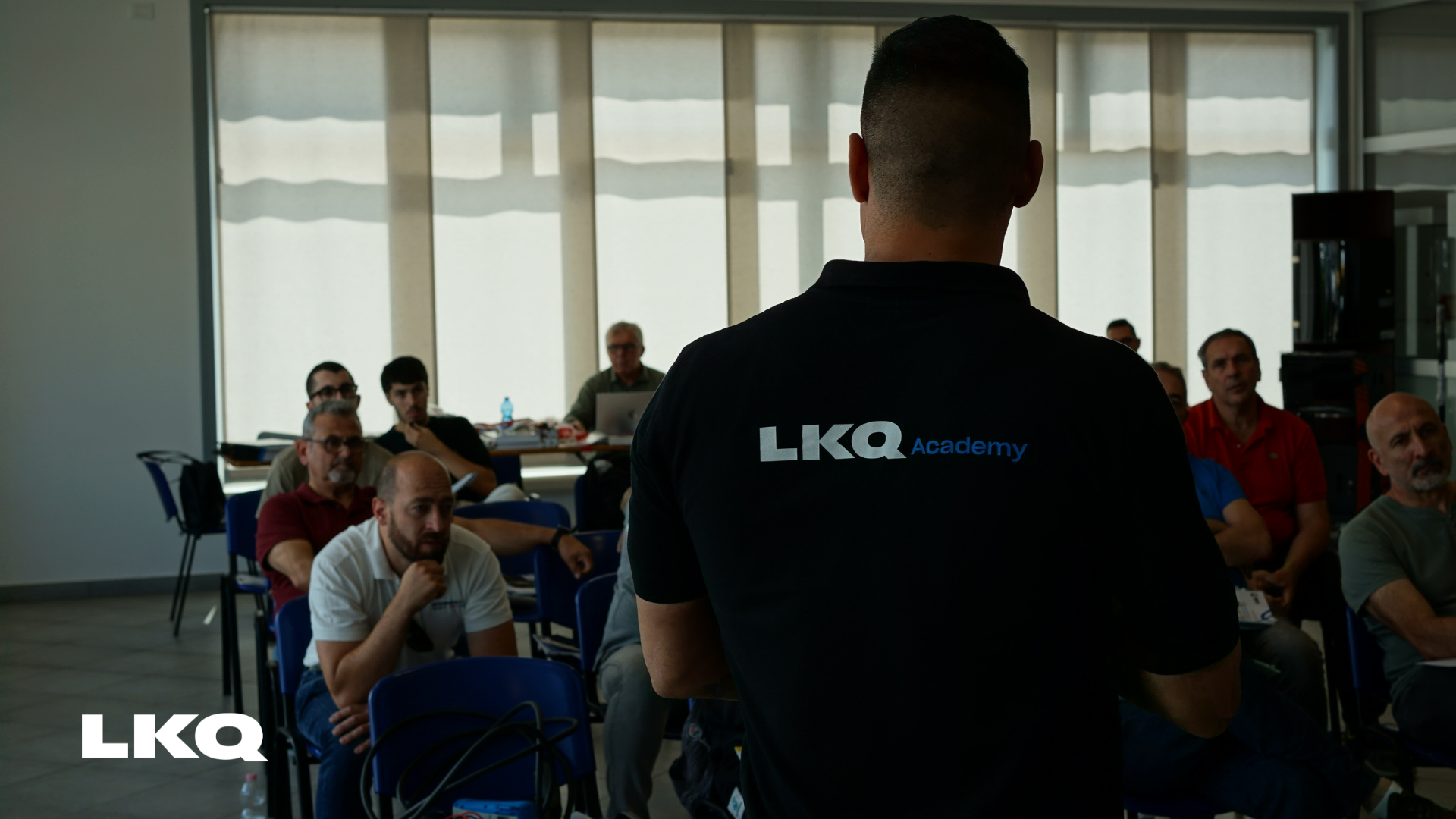
Across Europe, policymakers are rightly placing greater emphasis on technical education, workforce development and lifelong learning. Our industry is investing heavily in upskilling technicians to work safely and confidently on the next generation of vehicles. At LKQ, for example, we've committed through the LKQ Academy to upskill 24,000 technicians in EV and hybrid vehicle repair across 13 European countries by 2028.
That investment is essential, but it will only deliver its full value if it is matched by consistent, reliable access to the information and systems those technicians need to do their jobs.
Manufacturers have made significant progress in implementing SERMI. Independent operators are stepping up by investing in their people. The focus now should be on completing implementation across every Member State, ensuring manufacturers consistently deliver the access required under the framework, and making sure independent workshops can use the systems they have been accredited to access.
The future competitiveness of the independent aftermarket won't be secured by regulation or skills alone. It will be secured when regulation, implementation and workforce capability move forward together.
Only then will the independent aftermarket remain truly competitive, and will consumers continue to benefit from the choice, competition and expertise that it has always provided.