Why the future-ready workshop needs business skills as well as technical skills
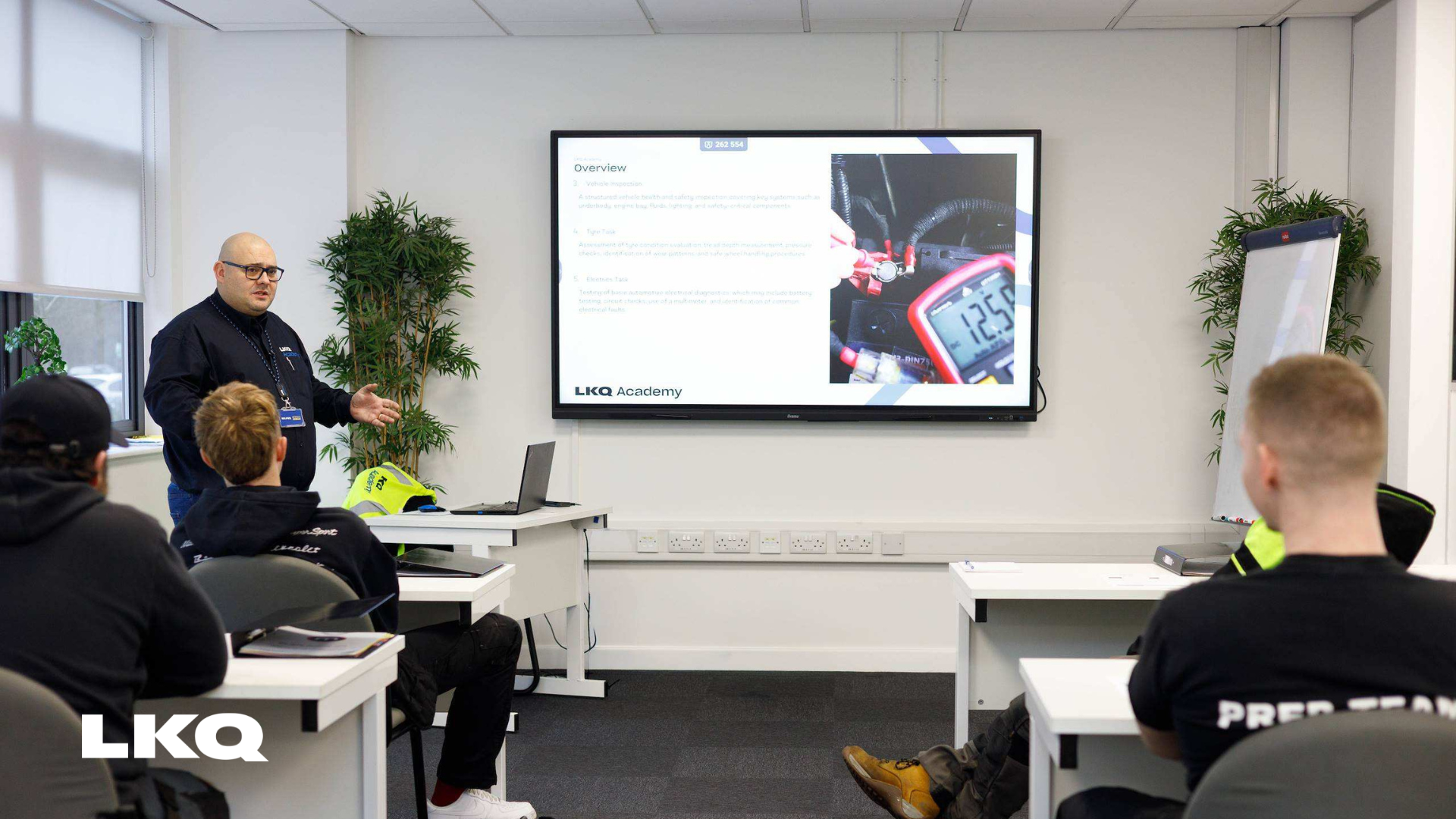
Preparing an independent workshop for the future isn't only about learning how to repair new vehicle technologies. Workshop owners and managers also need the skills to decide where to invest, how to develop their people and which opportunities are right for their business.
LKQ Academy is seeing that reflected in its training demand. Around 8,000 garage owners and workshop managers have taken part in its business-focused programmes across Europe, and Business Management is now its sixth most purchased training category.
As electrification, advanced diagnostics, connectivity and software change vehicle repair, running a successful workshop increasingly means making good business decisions about how and when to respond.
What skills does a modern workshop owner or manager need?
Running an independent workshop requires a broad range of skills, from productivity and commercial management to leadership, people development and customer experience.
These skills become particularly important when workshops are deciding how to respond to changes in vehicle technology.
A workshop may, for example, see an opportunity to service more hybrid and electric vehicles. Training a technician is one part of the response. The owner may also need to decide what level of EV capability the business needs, who should be trained, what equipment to buy, how to manage technician time and whether customer demand supports the investment.
The same applies to other areas of the business. Owners and managers need to decide which services to develop, how to use the skills within their teams effectively and where investment will deliver the greatest value.
People development is an important part of this. Not every technician will need the same skills or training pathway. What they need will depend on their role, experience and the services the workshop wants to offer.
Customer experience matters too. As vehicles become more complex, workshop teams may need to explain unfamiliar technologies, diagnostic processes and repairs clearly to customers.
Together, these skills help owners and managers turn new technical capabilities into services that work for both the workshop and its customers.
How should workshop owners plan for investment and growth?
For workshop owners, the challenge is not only knowing which technical skills to develop, but deciding where new services and investment make commercial sense.
New vehicle technologies can create opportunities, but they may also require investment in equipment, training and technician time.
Rather than responding to each new requirement as it appears, owners can consider likely customer demand, the services they want to offer and whether the business is ready to deliver them.
This gives businesses more time to plan investment while thinking about productivity and how new services will fit into the day-to-day running of the workshop.
The right decisions will depend on the individual business, including its customer base, existing services, available resources and ambitions for the future.
Five business questions can provide a useful starting point:
- Which services are most valuable to our customers?
- Where is customer demand likely to grow?
- What investment would be needed to offer those services?
- How would training and equipment costs affect the day-to-day business?
- How can we develop new services without disrupting existing work?
Considering these questions regularly can help workshop owners make informed decisions about growth, rather than responding to each new technology in isolation.
What makes an independent workshop future-ready?
Being future-ready does not mean offering every service or investing in every new technology.
It means choosing the opportunities that fit the business and its customers, and making sure any investment delivers value.
That is why LKQ Academy supports workshop owners and managers as well as technicians, with technical, practical and business training across Europe.
As The Future-Ready Workshop: Five skills priorities for the next generation of independent repair explores, future readiness isn't a destination. For workshop owners, it means continuing to adapt the business as vehicle technology and customer needs change.